Author: Jerome Thornton

  • Wireless Audio Made Easy: Stream Radio To Bluetooth Speakers

    Wireless Audio Made Easy: Stream Radio To Bluetooth Speakers

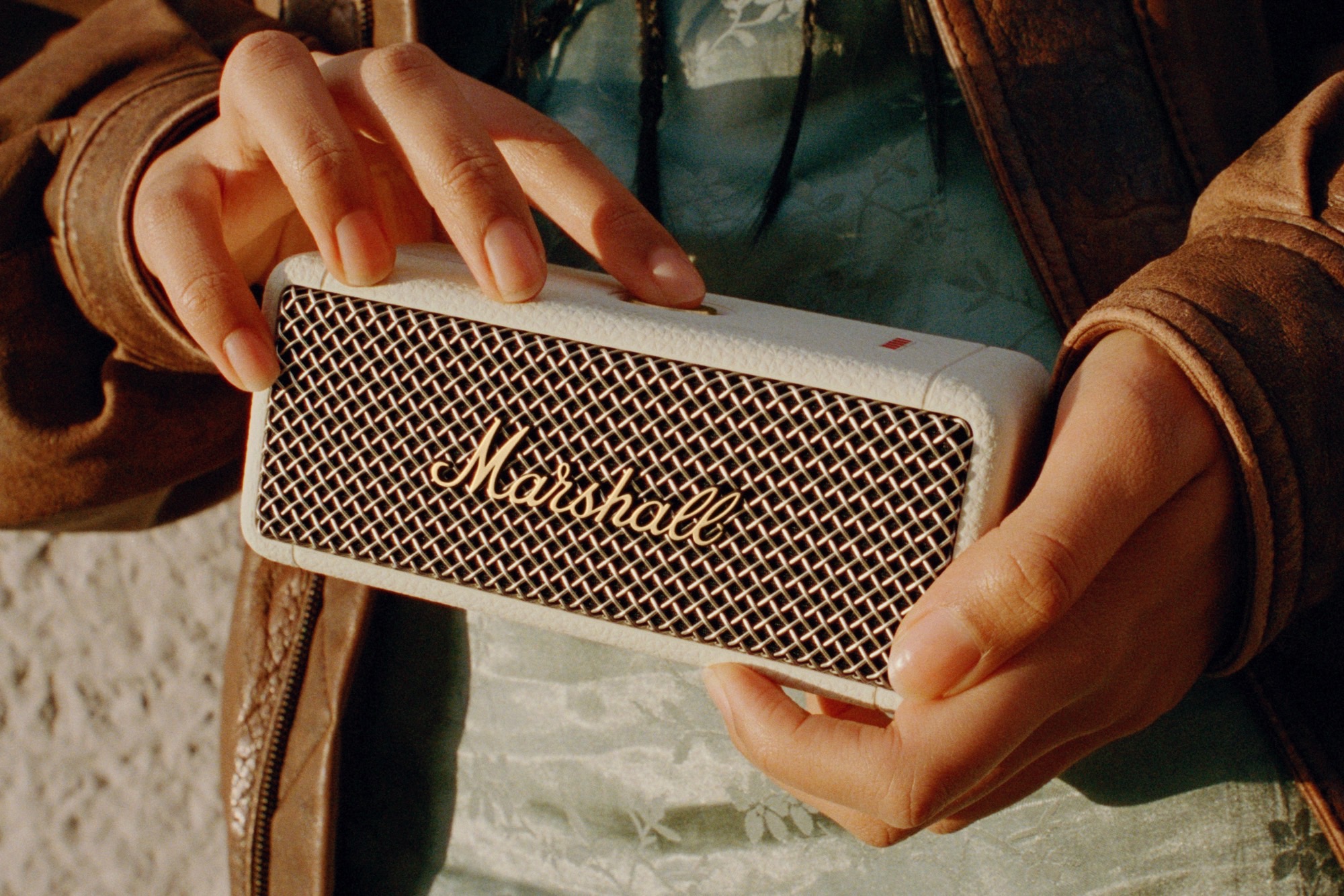
    Are you ready to take your music listening experience to the next level? With wireless audio, you can easily stream your favorite radio stations directly to your Bluetooth speakers.

    No more tangled cables or difficult software. It’s the perfect way to enjoy your music without breaking the bank. Plus, it’s easier than you think!

    In this article, we’ll walk you through setting up your wireless audio system, connecting your smartphone, streaming popular radio stations, and enhancing your audio experience. Let’s get started!

    Setting Up Your Wireless Audio System

    Ready to take the hassle out of listening to tunes? Let’s get your wireless audio system set up!

    The first step is to get a Bluetooth compatible receiver and speaker. Most modern Bluetooth receivers and speakers are compatible, so you can easily find one that suits your needs.

    Once you have your receiver and speakers, it’s time to connect them. Depending on the model, you may need to use an audio cable, while other models may just need to be plugged in.

    Once the connection is made, you will need to pair the devices. This usually just takes a few moments, and you should be ready to start streaming audio!

    Once your devices are connected, you can start streaming music, radio, and more to your Bluetooth speakers. You can access your favorite music streaming services, listen to the radio, or even set up your own private audio network with friends.

    With your wireless audio system setup, you can now enjoy your favorite tunes without the hassle of cables and cords.

    Connecting Your Smartphone to Your Speakers

    With just a few taps of your finger, you can effortlessly experience crystal clear sound from your smartphone to your speakers – no wires required!

    Connecting your phone to your speakers is typically an easy process, but it will vary depending on the type of device you have.

    If you have a Bluetooth-enabled device, you’ll need to first make sure your speakers are in pairing mode. On most Bluetooth speakers, you’ll find a button you can press to put them into pairing mode.

    From there, you can connect your phone to your speakers by navigating to the Bluetooth settings on your device and selecting the speakers.

    If you don’t have a Bluetooth-enabled device, you can still connect your phone to your speakers using a wireless audio adapter. This adapter will plug into a 3.5mm audio jack or AUX port on your speakers, and then connect to your phone via Bluetooth.

    Once you’ve connected your phone to your speakers, you can start streaming music or audio from your device to your speakers. With wireless audio, you can enjoy your favorite tunes and radio stations without worrying about tangled cables or wires.

    Streaming Popular Radio Stations

    You can take your listening experience to the next level by tapping into popular radio stations with just a few clicks. Streaming your favorite radio stations is a breeze with Bluetooth speakers. All you need to do is connect your smartphone to the speakers, select a radio station, and start streaming.

    You don’t need any extra equipment or cables, just the speakers and your phone. The best part is that you can access a variety of radio stations, from local to international. You can find anything from talk radio to sports to music.

    You can also find stations that focus on specific genres, like jazz, classical, or rock. With Bluetooth speakers, it’s never been easier to access your favorite radio stations.

    Enhancing Your Audio Experience

    Take your audio experience to the next level with just a few clicks – no extra equipment or cables needed! With the right setup, you can customize your sound with equalizers and other sound-enhancing features. You can even personalize your audio with voice commands, allowing you to customize your listening experience.

    Whether you want to relax with a soothing ambient soundscape or enjoy a high-energy playlist, a few simple tweaks can take your sound from ordinary to extraordinary.

    With the right bluetooth speaker, you can enjoy superior sound quality and immersive audio experiences. Whether you’re listening to music, podcasts, or a live radio broadcast, you can tailor the sound to your tastes. You can add treble and bass to jazz up your favorite tunes, or choose from a range of sound profiles that create a one-of-a-kind listening experience.

    With wireless audio made easy, you can upgrade your sound and take your music to the next level.

    Troubleshooting Common Issues

    Having trouble getting the sound just right? Don’t worry, a few simple steps can help sort out any audio issues you’re having.

    First, make sure the Bluetooth connection is active by checking the settings on your device. If the connection is on, try turning it off and then back on again to reset the connection. If the connection is still not working, check that the speaker is in pairing mode and that the device is in range.

    If the connection is established, but you’re still having sound issues, check the volume and balance settings on your device. Make sure that the volume is set to the desired level and that the balance is set in the middle.

    If there is still an issue, try unplugging any audio cables from the speaker and plugging them back in to reset the connection. If all else fails, restart your device and try connecting again.

    Conclusion

    You now have everything you need to make wireless audio easy. You can easily connect your smartphone to your speakers and stream popular radio stations to enhance your audio experience.

    With just a few steps, your wireless audio system is ready to go. So, let the music flow and enjoy!

    If you encounter any issues, don’t worry. Troubleshooting common problems is simple. Just remember to check the connections, adjust the settings, and restart your devices if necessary.

    With a bit of patience and practice, you’ll be able to get the most out of your wireless audio system. Now, it’s time to kick back, relax, and enjoy the music.

  • Solving The Radio Code Mystery: 2005 Honda Civic Radio Codes Explained

    Solving The Radio Code Mystery: 2005 Honda Civic Radio Codes Explained

    Are you having trouble figuring out the radio code for your 2005 Honda Civic? If so, you’re not alone. Many people have experienced the same issue. Don’t worry, though, because this article will show you how to solve the radio code mystery.

    You’ll learn how to:

    • Identify your radio model number
    • Locate the serial number
    • Find the radio code
    • Enter the radio code
    • Reset the radio

    So keep reading to get your radio code quickly and easily.

    Identifying Your Radio Model Number

    To identify your model number, you’ll need to locate the label on your car’s audio system and take note of the information it provides. Typically, the label is found on the underside of the audio system, but it may also be behind the removable face plate or on the side or back of the unit.

    It should include the model number and a serial number. Make sure to record all the information exactly as it appears on the label.

    Once you have the model number, you can use it to look up the radio code for your Honda Civic. You may be able to find the code in the owner’s manual or online.

    You can also contact your local Honda dealer for assistance. With the code in hand, you’ll be able to unlock the radio and continue enjoying the tunes.

    Locating the Serial Number

    You’ve come so far – now it’s time to locate the serial number and get one step closer to unlocking your car’s sound system!

    Depending on the make and model of your Honda Civic, the serial number can be found in one of a few different places. The most common location is on the back of the radio itself. Be sure to look carefully, as the serial number is usually printed in small font. You may also be able to find it on the side or bottom of the radio.

    If you can’t locate it on the radio, you might be able to find it in the glovebox. The serial number should be printed on a label affixed to the inside of the glovebox.

    If you still can’t find it, you may need to consult your car’s user manual for further instructions.

    Finding the Radio Code

    Now that you’ve located the serial number, you’re ready to crack the code and unlock your car’s sound system!

    To find the radio code, you’ll need to contact your local Honda dealership. They’ll ask for the serial number to verify ownership of the vehicle, then provide you with the four-digit code you need to unlock your car’s sound system.

    If you’re unable to contact the dealership or they can’t provide you with the code, you may be able to find it in your vehicle’s user manual. Look for a section that lists the radio code, or contact the manufacturer directly.

    Once you have the code, input it into the radio to unlock your car’s sound system.

    Entering the Radio Code

    Unlocking your car’s sound system is just a few steps away! After you’ve obtained the radio code for your 2005 Honda Civic, the next step is to enter the code into the stereo system.

    To do this, you must first locate the radio reset button in your car. This can usually be found in the glove box, under the dash, or in the center console. Once you’ve located the reset button, press and hold it for several seconds.

    You should then see a prompt appear on the radio’s display. Enter the code you obtained from the dealership and press the corresponding button to confirm it. If the code is correct, the stereo system should be unlocked and ready to use.

    If you enter the wrong code, however, the system will lock again and you’ll have to repeat the process.

    Resetting the Radio

    After you’ve entered the code, it’s time to reset the radio and get ready to listen to your favorite tunes!

    To reset a 2005 Honda Civic radio, switch the ignition off and then back on again. This will prompt you to enter the radio code again. Type in the code, followed by the ‘Enter’ or ‘Select’ button to confirm it.

    Once the code is entered correctly, the radio will be reset and you’ll be able to use it again. If you enter the wrong code, the radio will lock you out and you’ll need to restart the process. To avoid this, make sure to double-check the code before you enter it.

    After the radio has been reset, you’ll be able to enjoy your favorite tunes once again.

    Conclusion

    Figuring out your radio code can be a real mystery, but with a little bit of detective work, you can solve it.

    First, you need to identify your radio’s model number and locate the serial number. Then, you can use those numbers to find the code.

    Finally, you’ll enter the code and reset the radio. With the right steps, you’ll be able to unlock your radio and be back on the road in no time.

    Now, you won’t have to worry about a radio code mystery ever again!

  • The Power and Pitfalls of Google Translate in English to Spanish

    Introduction:

    In our interconnected world, language is a powerful bridge that connects people across borders. As globalization continues to bring us closer, the need for effective communication becomes increasingly essential. Enter Google Translate, a revolutionary tool that has transformed the way we break down language barriers. In this blog post, we will delve into the dynamics of Google Translate, particularly its role in translating English to Spanish, exploring its benefits, limitations, and the impact it has on cross-cultural communication.vist google translate english to spanish

    The Power of Google Translate:

    1. Instant Accessibility: Google Translate offers users immediate access to translations at their fingertips. This accessibility has empowered individuals, businesses, and students alike to communicate effectively in a diverse, multilingual world.
    2. Language Learning Aid: For language learners, Google Translate serves as a valuable resource for understanding and practicing Spanish. Users can input English sentences or phrases and receive instant translations, aiding in comprehension and language acquisition.
    3. Global Collaboration: In the realm of business and international cooperation, Google Translate facilitates collaboration by enabling individuals to communicate effortlessly across language divides. This has proven invaluable in fostering global partnerships and breaking down communication barriers.
    4. Cultural Exchange: Through its translation services, Google Translate contributes to cultural exchange by allowing individuals to explore literature, articles, and various forms of content in Spanish, fostering a deeper appreciation for the richness of language and culture.

    Limitations and Challenges:

    1. Contextual Nuances: One of the primary challenges of machine translation is the difficulty in capturing the nuanced meanings of words and phrases in different contexts. This can result in translations that may lack precision or convey unintended meanings.
    2. Idiomatic Expressions: Idiomatic expressions and colloquialisms can be tricky for machine translation. English and Spanish, like any languages, have unique idioms that may not have direct equivalents. As a result, translations may lose the cultural and contextual nuances of these expressions.
    3. Formal vs. Informal Language: Spanish, like many languages, distinguishes between formal and informal forms of address. Google Translate may struggle to accurately convey the appropriate level of formality, leading to potential misunderstandings in professional or personal communications.
    4. Quality Variability: The quality of translations can vary based on the complexity of the text. Simple sentences often yield more accurate results, while complex or technical language may be prone to errors. Users must exercise caution and, when possible, consult with native speakers for verification.

    Conclusion:

    Google Translate has undeniably revolutionized the way we navigate linguistic diversity, offering a valuable tool for communication, learning, and collaboration. However, it is crucial to approach its use with a discerning eye, recognizing its limitations in capturing the subtleties of language and culture. As technology advances, so too will the capabilities of machine translation, but for now, a balanced approach that combines the convenience of Google Translate with human linguistic expertise remains the key to effective cross-cultural communication.

  • Calculating Wavelength: The Relationship Between Frequency And Radio Waves

    Calculating Wavelength: The Relationship Between Frequency And Radio Waves

    Do you ever wonder how radio waves travel?

    Have you ever wanted to know how to calculating wavelength of a radio wave?

    If so, you’ve come to the right place.

    In this article, we’ll discuss the relationship between frequency and wavelength, and how to calculate wavelength.

    We’ll also look at some practical applications of wavelength calculations.

    So, if you’re ready to learn more about radio waves, let’s get started!

    What is Wavelength?

    You’ve probably heard of radio waves, but do you know what they actually are? Wavelength is the key to understanding how they work.

    Wavelength is the distance between any two repeated points on a wave. It’s usually measured in meters and is represented in the equation: frequency x wavelength = speed of light.

    In other words, the higher the frequency of the wave, the shorter the wavelength will be. Radio waves have the longest wavelength, usually between 15 meters and 1 kilometer. The frequency of radio waves can range from 3 kHz to 300 GHz.

    Radio waves have many uses, including in wireless communication, broadcasting, and navigation. They are also used to detect objects, such as tornadoes and submarines, as well as to study the structure of the universe.

    By understanding the relationship between frequency and wavelength, we can make use of radio waves for a variety of applications.

    What is Frequency?

    Understanding frequency is essential to comprehending the power of radio waves. Frequency is the number of times an event or a wave occurs over a certain period of time, usually measured in hertz (Hz), cycles per second.

    Frequency is usually measured in a range from hertz to megahertz (MHz), referring to the hundreds of millions of Hertz. Frequency is most commonly associated with electromagnetic waves, like sound waves, visible light, and radio waves.

    Radio waves are typically measured in kilohertz (KHz) and megahertz (MHz). The frequency of a radio wave is directly related to its wavelength, since the two are inversely proportional. The higher the frequency, the shorter the wavelength, and vice versa.

    This means that radio waves with higher frequencies have shorter wavelengths, and radio waves with lower frequencies have longer wavelengths. By understanding frequency and its relationship to radio waves, it’s possible to better understand the power of radio waves and the many ways they are used in our everyday lives.

    Relationship between Frequency and Wavelength

    You’re aware that frequency and wavelength are connected, but do you know how?

    By understanding the inverse relationship between frequency and wavelength, you can better appreciate the power of radio waves and the many ways they are used in our everyday lives.

    Frequency and wavelength are inversely related, meaning that as frequency increases, wavelength decreases. This is because the speed of a wave is constant, so if the frequency of a wave increases, the wavelength must decrease in order to keep the wave speed the same.

    This is why radio waves, which have a high frequency, have a very short wavelength. Radio waves are used for many applications, including wireless communication, radio broadcasting, and navigation.

    By understanding the relationship between frequency and wavelength, we can better understand the power of radio waves and the many applications they are used for.

    Calculating Wavelength

    Discover how to quickly and easily calculate the wavelength of a wave – no matter the frequency! All you need to know is the frequency of the wave in order to calculate its wavelength.

    The wavelength of a wave is simply the speed of the wave divided by its frequency. To calculate the wavelength, you’ll need to know the speed of the wave. Radio waves travel at the speed of light, which is about 300,000,000 meters per second.

    For example, if a radio wave has a frequency of 10,000 hertz, the wavelength of that wave would be 30,000 meters.

    In order to calculate the wavelength of a wave, you must first determine the frequency of that wave. You can do this by measuring the number of peaks of the wave in a given time. Once you have the frequency, you can use the equation above to calculate the wavelength.

    There are also online tools that allow you to enter the frequency of a wave and quickly calculate its wavelength. This is an easy and efficient way to calculate the wavelength of any wave with any frequency.

    Practical Applications of Wavelength Calculations

    Calculating the wavelength of a wave can be a useful way to get a better grasp on its properties, and there are plenty of practical applications for this knowledge!

    For example, knowing the wavelength of a radio wave is essential for determining its range of transmission, and therefore its potential to broadcast a signal. This is especially important for wireless communication technology, such as cell phones and Wi-Fi, which rely on radio waves for transmitting data.

    Furthermore, knowledge of the wavelength can also be used to identify the type of wave, allowing scientists and engineers to better understand the behavior of the wave and develop methods for utilizing it. For instance, the wavelength of a sound wave can be used to determine its frequency, enabling engineers to develop acoustic technologies such as hearing aids, noise cancellation systems, and other audio equipment.

    As such, understanding the relationship between frequency and wavelength is a valuable skill for anyone working in engineering or signal processing.

    Conclusion

    You now understand the relationship between frequency and wavelength and how to calculate wavelength.

    This knowledge can be used in a variety of practical applications. For instance, it can help you find the frequency of a radio wave from its wavelength, or the wavelength of a radio wave from its frequency.

    With this knowledge, you can create more efficient communication systems and analyze the behavior of radio waves in various environments.

    It’s an invaluable skill that you can use to your advantage. So get out there and start experimenting!

  • Eating Jellyfish: Surprising Health Benefits and Culinary Delights

    Eating Jellyfish: Surprising Health Benefits and Culinary Delights

    Jellyfish, with their gelatinous appearance and stinging tentacles, may not be the first creature that comes to mind when thinking about culinary delights. However, in many Asian countries, jellyfish has been consumed as a delicacy for centuries. Beyond its unique taste and texture, jellyfish is also believed to offer several health benefits. In this article, we will explore the surprising health eating jellyfish benefits, along with its cultural significance and culinary uses.

    The Nutritional Profile of Jellyfish

    Jellyfish are low-calorie marine creatures that are rich in essential nutrients. While the nutritional content may vary slightly among different species, jellyfish typically offer the following nutrients:

    Protein: Jellyfish is a good source of protein, which is essential for cell repair and growth.

    Collagen: The gelatinous texture of jellyfish is primarily due to collagen, a protein that supports healthy skin, hair, and joints.

    Omega-3 Fatty Acids: Some species of jellyfish contain omega-3 fatty acids, which are beneficial for heart and brain health.

    Vitamins and Minerals: Jellyfish provide various vitamins and minerals, including calcium, potassium, magnesium, and vitamins A and B.

    Surprising Health Benefits

    1. Low-Calorie Option

    For individuals seeking low-calorie food choices, jellyfish can be a favorable option. Its low-calorie content makes it suitable for weight-conscious individuals.

    2. Collagen Boost

    The collagen found in jellyfish may contribute to maintaining skin elasticity and joint health. In some cultures, jellyfish is valued for its potential anti-aging properties.

    3. Rich in Antioxidants

    Jellyfish contains antioxidants that help combat harmful free radicals in the body, potentially reducing the risk of chronic diseases.

    4. Anti-Inflammatory Properties

    Certain compounds in jellyfish are believed to possess anti-inflammatory effects, which may aid in reducing inflammation-related conditions.

    5. Omega-3 Fatty Acids

    Jellyfish species containing omega-3 fatty acids can contribute to promoting heart health and supporting cognitive function.

    Cultural Significance and Culinary Uses

    In Asian cuisines, particularly in China, Japan, and Southeast Asian countries, jellyfish has been part of traditional dishes for centuries. It is often served as a cold appetizer or salad, marinated in a mixture of soy sauce, vinegar, sesame oil, and various seasonings. The preparation process involves removing the stinging cells from the jellyfish and then soaking or blanching it to achieve the desired texture.

    The taste of jellyfish is subtle and slightly salty, with a crunchy texture. Its ability to absorb the flavors of the seasonings makes it a versatile ingredient in various dishes.

    Considerations and Precautions

    While eating jellyfish can offer health benefits, it’s essential to consider a few factors:

    Allergies: Some individuals may be allergic to jellyfish or seafood in general. It’s crucial to exercise caution and seek medical advice if you suspect any allergies.

    Sustainability: Due to overfishing and environmental concerns, it’s essential to choose sustainably sourced jellyfish to support marine conservation efforts.

    Preparation: Jellyfish can be challenging to prepare safely, as improper handling may lead to foodborne illnesses. It’s best to consume jellyfish from reputable sources or dine at restaurants known for their proper preparation techniques.

    Conclusion

    Eating jellyfish offers surprising health benefits and is deeply rooted in the culinary traditions of various Asian cultures. Its nutritional profile, collagen content, and potential anti-inflammatory properties make it an intriguing addition to a balanced diet. However, it’s essential to be mindful of allergies, choose sustainably sourced options, and ensure proper preparation. Embrace the cultural significance and culinary creativity surrounding jellyfish as you explore its unique taste and potential health advantages.


  • Renovation Exploration: Discovering Your Home’s Hidden Potential

    Renovation Exploration: Discovering Your Home’s Hidden Potential

    In the world of homeownership, there often comes a time when the desire for change takes center stage. Whether it’s the urge to modernize outdated spaces or to enhance the overall functionality of your home, renovations offer an exciting avenue to unlock your property’s hidden potential. Embark on a renovation exploration to uncover the hidden potential within your home, and turn your vision into a breathtaking dream home makeover. In this comprehensive guide, we’ll delve into the art of renovation exploration, providing you with a roadmap to uncovering the latent charm and value within your living spaces.

    Understanding the Vision

    Every successful renovation journey begins with a clear vision. As you embark on the exploration of your home’s potential, take the time to envision the changes you’d like to see. Are you dreaming of an open-concept kitchen that seamlessly flows into the living room? Or perhaps you’re yearning for a tranquil backyard oasis where you can escape the daily hustle and bustle? Defining your vision will guide your renovation decisions and set the stage for a successful transformation. Exploring the untapped possibilities within your living space involves uncovering the hidden potential of your home, from optimizing room layouts to incorporating innovative Laminate Door Designs.

    The Best Home Renovation Apps of 2023

    Assessing the Possibilities

    Before embarking on any renovation project, it’s crucial to assess the possibilities within your home. This involves identifying areas that can be improved or repurposed to better suit your lifestyle. Walk through each room and consider its layout, lighting, and flow. Are there underutilized spaces that could be transformed into a home office, a cozy reading nook, or even a guest suite? By recognizing the untapped potential, you’ll be one step closer to a transformative renovation.

    Crafting a Thoughtful Plan

    Crafting a well-thought-out plan is the cornerstone of successful renovations. With your vision and possibilities in mind, start mapping out the details of your project. Determine the scope of work, set a realistic budget, and establish a timeline. A comprehensive plan not only keeps you organized but also ensures that your renovation remains on track and within your desired parameters.

    Bringing in the Experts

    While DIY projects can be fulfilling, certain renovations call for the expertise of professionals. Collaborate with architects, designers, and contractors to bring your vision to life. Their insights and experience can offer creative solutions and ensure that your renovation aligns with structural and design best practices. A collaborative effort ensures that your home’s hidden potential is maximized.

    Uncovering Architectural Gems

    As you explore your home’s potential, keep an eye out for architectural gems that can be revitalized. Exposed brick walls, original hardwood floors, or vintage beams can add character and charm to your space. Embracing these unique features during your renovation can elevate your home’s aesthetic and create a one-of-a-kind ambiance that blends the old with the new.

    Enhancing Functionality

    Functionality is at the core of any successful renovation. Consider how each space can better serve your daily needs. Is your kitchen lacking counter space? Could your bathroom benefit from additional storage? Enhancing functionality not only improves your quality of life but also adds value to your home. Thoughtful design choices, such as built-in storage solutions and efficient layouts, can transform your space into a highly functional haven.

    Designing for Longevity

    While trends come and go, designing for longevity ensures that your renovated spaces remain timeless. Opt for neutral color palettes and classic design elements that can easily adapt to evolving styles. This approach not only ensures that your home remains appealing for years to come but also provides flexibility when it comes to personalizing the decor.

    Balancing Aesthetics and Comfort

    A successful renovation strikes a delicate balance between aesthetics and comfort. While a visually appealing space is important, it’s equally essential to create an environment that feels inviting and comfortable. Incorporate plush furnishings, cozy textiles, and well-placed lighting to cultivate a warm and welcoming atmosphere that resonates with both residents and guests.

    Embracing Sustainability

    As the world becomes more environmentally conscious, embracing sustainable practices in your renovation can make a significant impact. Opt for energy-efficient appliances, eco-friendly building materials, and smart home technologies that reduce energy consumption. By adopting sustainable choices, you’re not only enhancing your home’s value but also contributing to a greener future.

    Celebrating the Transformation

    The culmination of your renovation exploration is the transformation itself. Witnessing your home’s hidden potential come to life is a rewarding experience. Take the time to celebrate your achievements and savor the newfound beauty and functionality of your living spaces. Whether it’s hosting gatherings in your revamped kitchen or enjoying moments of serenity in your redesigned outdoor retreat, the joy of your renovation will continue long after the last nail is hammered.

    Conclusion 

    Embarking on a journey of renovation exploration is a testament to your home’s ever-evolving possibilities. By understanding your vision, assessing the potential, and crafting a thoughtful plan, you’re setting the stage for a transformation that enhances both aesthetics and functionality. Collaborating with experts, preserving architectural gems, and embracing sustainable practices further amplify the impact of your renovation. So, go ahead and unlock your home’s hidden potential—it’s a journey that promises to be as exciting as the destination.